
Expert Picks for Effective Window Retrofitting Solutions
Find trusted products that simplify installation and deliver long-lasting improvements to your window system.
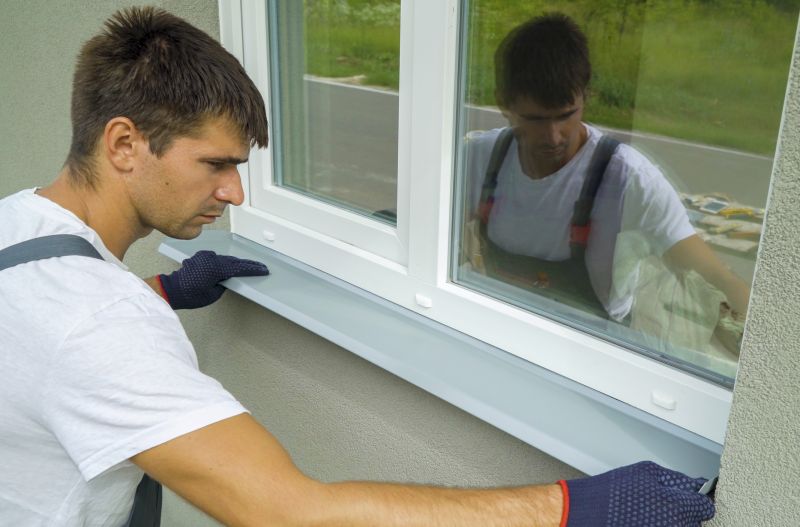 Window retrofitting involves upgrading existing windows to improve their functionality, appearance, and energy efficiency without the need for complete replacement. This process can include installing new hardware, sealing systems, or additional insulating features that enhance the window's performance. Retrofitting is often favored in renovation projects where preserving the original window frame is desirable or where budget constraints limit full replacement options. The variety of products available allows homeowners and professionals to customize solutions based on specific needs, whether for better insulation, improved security, or easier operation.
Types of Products For Window Retrofittings
Weatherstripping
Seals gaps around window sashes and frames to prevent air leaks and improve insulation.
Sealant and Caulking
Creates a waterproof and airtight seal around window perimeters to block drafts and moisture intrusion.
Insulating Film
Clear plastic films applied to the interior of windows to add an extra layer of insulation and reduce heat transfer.
Interior Storm Windows
Removable interior panels that mimic storm windows, providing additional insulation and reducing noise.
Sash Replacement Kits
Complete replacement systems for sashes that allow for upgrading without replacing entire window frames.
Insulating Panels
Rigid panels that fit into window frames to enhance insulation and reduce air infiltration.
Draft Stoppers
Flexible strips or tubes placed at the bottom of windows to block drafts and improve comfort.
Magnetic Seal Systems
Magnetic strips that create a tight seal around window openings, easy to install and remove.
Window Locks and Latches
Upgraded hardware that enhances security and can improve sealing when windows are closed tightly.
Tinting Films
Films that reduce glare and heat transfer while maintaining visibility, suitable for retrofitting existing windows.
Popular Choices
Widely used for sealing gaps around sashes and frames to improve energy efficiency.
Affordable and easy-to-install films that enhance thermal insulation of existing windows.
Popular for adding an extra layer of insulation without replacing existing windows.
Commonly used to fill gaps and cracks, improving airtightness and preventing moisture intrusion.
Flexible panels that fit into window openings, providing additional insulation.
Simple and effective for blocking drafts at the bottom of windows.
Easy-to-install magnetic strips that improve sealing and are removable for seasonal adjustments.
Upgraded hardware options that enhance security and sealing performance.
Popular for reducing glare and heat, while maintaining visibility through the window.
Many retrofitting products are designed to be easily installed, making them accessible for DIY enthusiasts as well as professional contractors. These products can range from simple weatherstripping and sealing tapes to more complex sash replacement systems and insulating panels. The goal is to create a more airtight seal, reduce drafts, and enhance the overall comfort of interior spaces. When selecting retrofit products, it is important to consider compatibility with existing window frames, ease of installation, and the specific issues you aim to address.
Retrofitting can also contribute to reducing noise infiltration and improving the overall durability of windows against weather elements. Some solutions are designed to be reversible or adjustable, allowing for future modifications or removal if needed. While the initial investment varies, many retrofit products can extend the lifespan of existing windows and improve their functionality without the disruption and expense of full window replacement. Proper selection and installation of these products can lead to noticeable improvements in energy efficiency and indoor comfort over time.
Key Buying Considerations
- Compatibility with existing window types and sizes to ensure proper fit and function.
- Ease of installation, especially if considering DIY retrofitting projects.
- Material durability and resistance to weathering for long-term performance.
- Effectiveness in reducing drafts and air leaks based on product specifications.
- Visibility and aesthetic preferences, particularly for products like films and panels.
- Reversibility or adjustability of the retrofit solution for future modifications.
- Cost relative to the scope of the retrofit project and budget constraints.
- Compatibility with window hardware and mechanisms to ensure proper operation.
- Ease of removal or replacement if needed for future upgrades or maintenance.
- Manufacturer or supplier reputation for quality and reliability.
- Potential impact on window operation, such as opening and closing ease.
- Consideration of local climate conditions that may influence product choice.
- Availability of comprehensive instructions or professional installation options.
- Warranty or guarantee offerings to protect your investment.
- Environmental factors such as UV resistance or mold resistance, depending on location.